Selling into agencies is a different game. Most teams walk in blind and wing the story.

AgencySide arms teams that sell into agencies twice over. Sales intelligence tells each seller how the shop across the table competes, buys, and makes money before the first meeting. Story Systems makes sure the story they tell in it is your best one, no matter who walks in.

Pick a slice of your book. We run it through the system. You keep the briefs either way.

Command Center · Scored Pipeline
AgencySegmentFit scoreEvidence
Wieden+KennedyStrategic PartnerVerified
Horizon MediaPurveyorVerified
Goodby Silverstein & PartnersStrategic PartnerPartial
TinuitiPurveyorPartial
HighdiveStrategic PartnerNot yet researched

The agency market, mapped and scored to your lane.

The problem

Agencies do not buy the way their clients buy.

Agencies are the most tempting accounts on your list. Land one and you inherit a path to every client on its roster. That is exactly why they are also the hardest to read. An agency buyer answers to more than one master: the client, the agency's own P&L, and often a holding company with mandates your seller will never see in a CRM. No two shops are alike, and your CRM holds contacts, not any of this.

And even a good meeting is not the finish line. Agency deals are decided later, in internal rooms your seller never enters, by people retelling whatever version of your story they caught. Two things decide the deal: what your seller knew walking in, and what the buyer can repeat walking out.

The major platforms solved both with headcount. Sales ops and insights teams feed their sellers agency context. Enablement departments drill the company story until every rep tells it the same way. Their sellers walk in briefed and rehearsed. AgencySide is both machines, sized for you.

The system

Two halves of the same problem.

Part one · Sales intelligence
The who and the when.

Not a report that expires the day it is read. A decision system. Account by account: how the agency competes, buys, and makes money, who decides, which of your competitors is already embedded, and what changed this quarter.

Subscription. Continuously refreshed.

The first meeting becomes what the third used to be.

Part two · Story Systems
The what and the how.

Company-wide: the one story every seller tells, the language it is told in, the proof behind it, and the skill to deliver it.

Engagement. Reinforcement built in.

What happens in that meeting stops depending on which seller showed up.

Intelligence without the story means arriving briefed and pitching inconsistently. Story without intelligence means a great pitch aimed by guesswork. Together: the right room, entered prepared, the same compelling story no matter who walks in, and a buyer equipped to sell it internally. Your story does not change month to month. The account does. The system watches the account and re-aims the story.

Part one · Sales intelligence

Your seller walks in already knowing.

The first meeting becomes what the third used to be.

Every target agency comes with a working brief: why now, the wedge that fits how this shop competes, the objections you will hear and the answers that land, and the first move. Context that used to take three meetings to assemble is in hand before the first.

Know who is already inside.

See which of your competitors an agency already runs, how embedded they are, and where the displacement wedge is. No more finding out about the incumbent in the second meeting.

Context, not just contacts.

How the shop makes money, what its clients are pressing it for, where it sits on the AI curve, and who really makes the buying decision. The understanding that lets a newer rep sell like a veteran, and it compounds every enrichment wave.

Part one · Sales intelligence

Built to your lane. Kept current for you.

01

We instantiate it to you.

Your product category, your competitive set, your target list. The intelligence is scored against how you win, not generic firmographics.

02

Enrichment runs in continuous waves.

Agency profiles are researched, verified, and refreshed on a rolling cadence. When a shop wins an account, loses a review, makes a hire, or changes hands, your read updates.

03

Your team sells from it.

A live command center for the map and the pipeline, plus per-account briefs your reps can carry into the room. Subscription pricing, no services project required to start.

04

Every outcome re-decides the play.

After each touch, your rep logs what happened: advanced, meeting booked, pushback, no response. Each action re-decides the play: the situation you walk into, the telling of your story that fits, the objection coming, and the one ask. The system is not just refreshed. It is corrected by contact with the market.

Command Center · Log Outcome
Horizon Media
First meeting · Outcome logged
What happened
AdvancedMeeting bookedPushbackNo response
What you heard
Next play
Re-decided from this outcome
The situation
The telling that fits
The objection coming
The one ask

Log the outcome. The system re-decides the play.

Part one · Sales intelligence

Built and running.

AgencySide runs today: a scored map of the agency market, per-account briefs, and competitive presence verified account by account.

One note on how we score, because it is where intelligence products usually mislead: a claim only counts when there is evidence behind it. If we have verified which competitors an agency runs, we say so and score accordingly. If we have not looked yet, the score says that too. Absence of evidence is never dressed up as an opportunity.

Command Center · Account Brief
Wieden+Kennedy
Account brief · Refreshed this wave
Why now
The wedge
Objections you will hear
First move

The brief your rep carries into the first meeting.

Part two · Story Systems for Agency Sellers

Your best storyteller shouldn’t be a person. It should be a system.

In most mid-sized companies, the differentiating story is an oral tradition. The best telling lives in one head: a founder who closes what nobody else can, a veteran seller with a win rate nobody can quite explain. Ask three of your sellers for the company pitch and you get three different companies. What a buyer hears depends on who walked into the room.

Story Systems turns your best telling into an asset the whole team runs. The narrative is codified with leadership, engineered against what the giants in your category actually say, and calibrated claim by claim against the evidence behind it, because agency research teams and procurement will probe. Then the whole team trains on it working live deals, and reconvenes sixty days later so the work compounds instead of fading.

All of it is built for how agencies actually decide. A good meeting does not close the deal. It produces an advocate, who retells your story in a room your seller never enters, and the version that survives that retelling is the one that wins. So the system engineers your story for the handoff, not just for the room.

The system is in the field now. Three levels, from the standalone team workshop to the full system with reinforcement, and each level states plainly what it does and does not solve. If your strategy is to compete on price, this is the wrong tool: the system builds a value story.

A conversation with Mike about where your story lives today, and what it would take to make it a system.

Built from the buyer's side of the table.
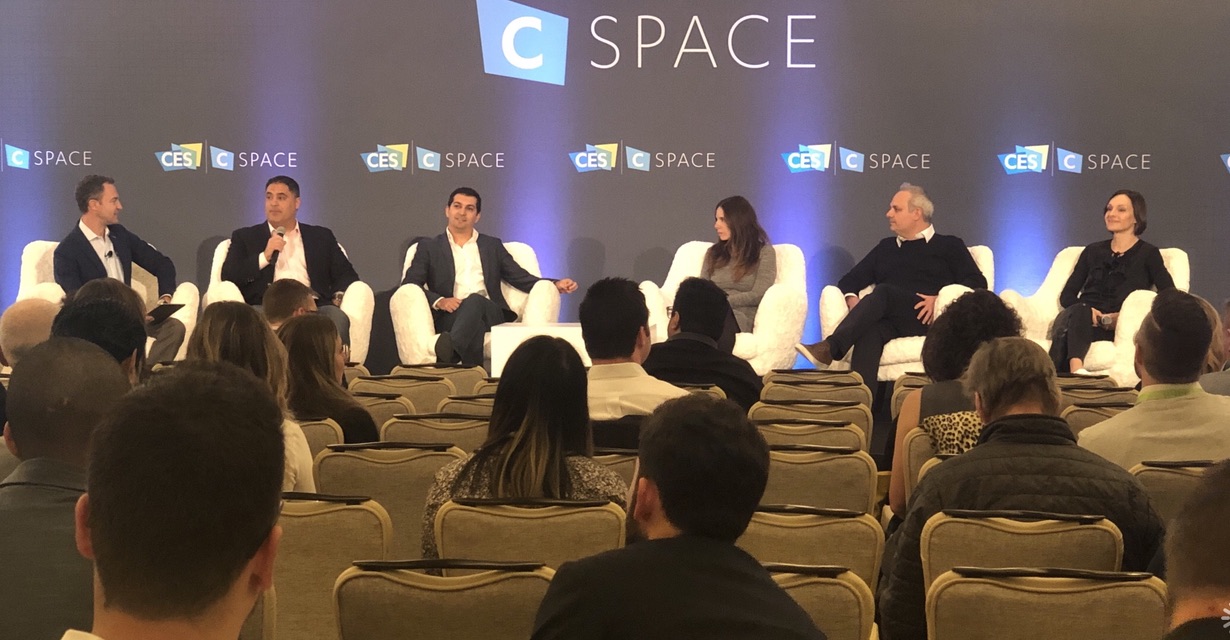
Mike Margolin on a CES C Space panel
CES · C Space panel

Mike Margolin
Founder, AgencySide
Margolin + Systems

AgencySide was built by Mike Margolin, who spent twenty years at RPA, one of the largest independent agencies in the US. He built six practices there from scratch, co-led the media group as annual investment doubled from $100 million to $200 million, sat on cross-agency committees at the 4As and on the Google Agency Council, and ran the evaluations that decided which partners got in the door. He has been the buyer in the exact meetings your team is trying to win.

The buyer’s seat was only half of it. He led the new-business pitch that took the agency’s annual media buying from $200 million to $800 million, served on teams that won Farmers Insurance, Southwest Airlines, Intuit QuickBooks, Dropbox, and TikTok, and for the past seven years has led the 4As Institute of Advanced Advertising Studies, training hundreds of rising agency stars on persuasive storytelling and winning pitches. Now he also teaches the people who pitch agencies.

Most sales intelligence is built by data engineers guessing at an industry from the outside. Most sales training teaches a generic framework and asks your company to pour itself in. Both halves of AgencySide are built by someone the industry already knows from the inside.

Who it is for

For the companies one tier below the giants.

AgencySide is for platforms, media owners, data and measurement companies, and services businesses that sell into agencies without a dedicated agency sales-ops function or an enablement department: strong products, capable sellers, no machine behind them. If you are a category giant with staffed insights and enablement teams, you do not need us. If your strategy is to be the cheapest, we are the wrong tool. Everyone else has been playing uphill. This levels it.

See it on your own book.

Pick a handful of agencies from your target list. We run them through the system and hand you the finished briefs. You keep the output whether or not we go further. If the briefs earn it, we talk about a subscription.

Questions we hear.

How is this different from ZoomInfo or Apollo?

Those tell you who works at an agency. We tell you how the agency competes, buys, and makes money, which of your competitors is inside, and the play that fits. Contacts versus context.

Do we need both?

No. Each stands on its own: intelligence as a subscription, Story Systems as an engagement. They are designed to compound, because knowing the room and owning the story are halves of the same job, but either one is a natural place to start.

Where does the intelligence come from?

Public and industry sources, researched in structured enrichment waves and verified before they count. Claims we have not verified are marked that way, never dressed up as fact. And from your own team: every outcome a rep logs goes back into the account and re-decides the play.

What does it cost?

Sales intelligence is subscription pricing sized to your target list, and the working session comes first either way, so you see the quality of the output before any commitment. Story Systems is a scoped engagement with three levels; investment is discussed in conversation.